
A smile is a
curve that sets
everything straight.
About us
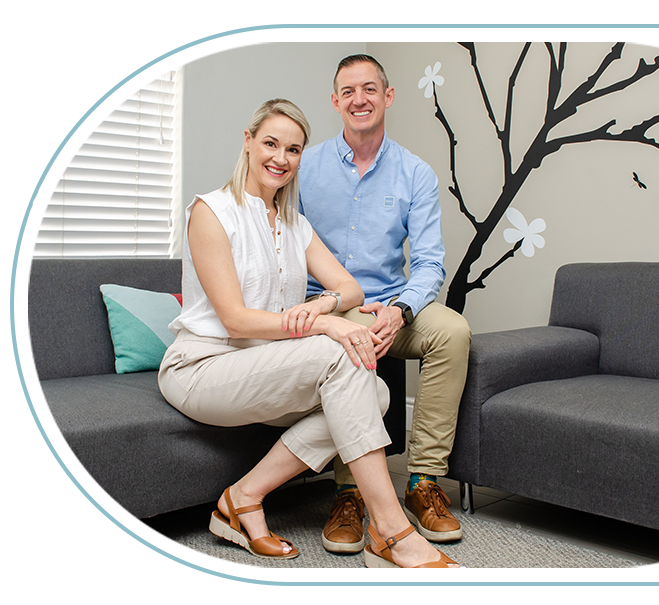
Deon & Jo-Anne Joubert Dental Surgeons, based in the heart of Paarl, Western Cape, have been serving their community with dedication and care over the past couple of years. This family-oriented practice opened in 2012. With a combined 17 years of experience in the dental field, Deon and Jo-Anne bring both expertise and warmth to every patient they treat. Their deep passion for dentistry is reflected in their commitment to delivering personalized, high-quality care across a wide range of services. Deon specializes in dental implants, offering cutting-edge solutions for lasting smiles, while Jo-Anne holds a post-graduate degree in orthodontics and is devoted to helping patients achieve healthy, confident alignment. Together, they create a welcoming environment where every patient—from children to seniors—feels at ease and well cared for. The Jouberts’ genuine compassion, professionalism, and extensive experience make them trusted names in dental health in the Paarl community.
Striving for dental excellence.
Our Services
Dental Check-Ups
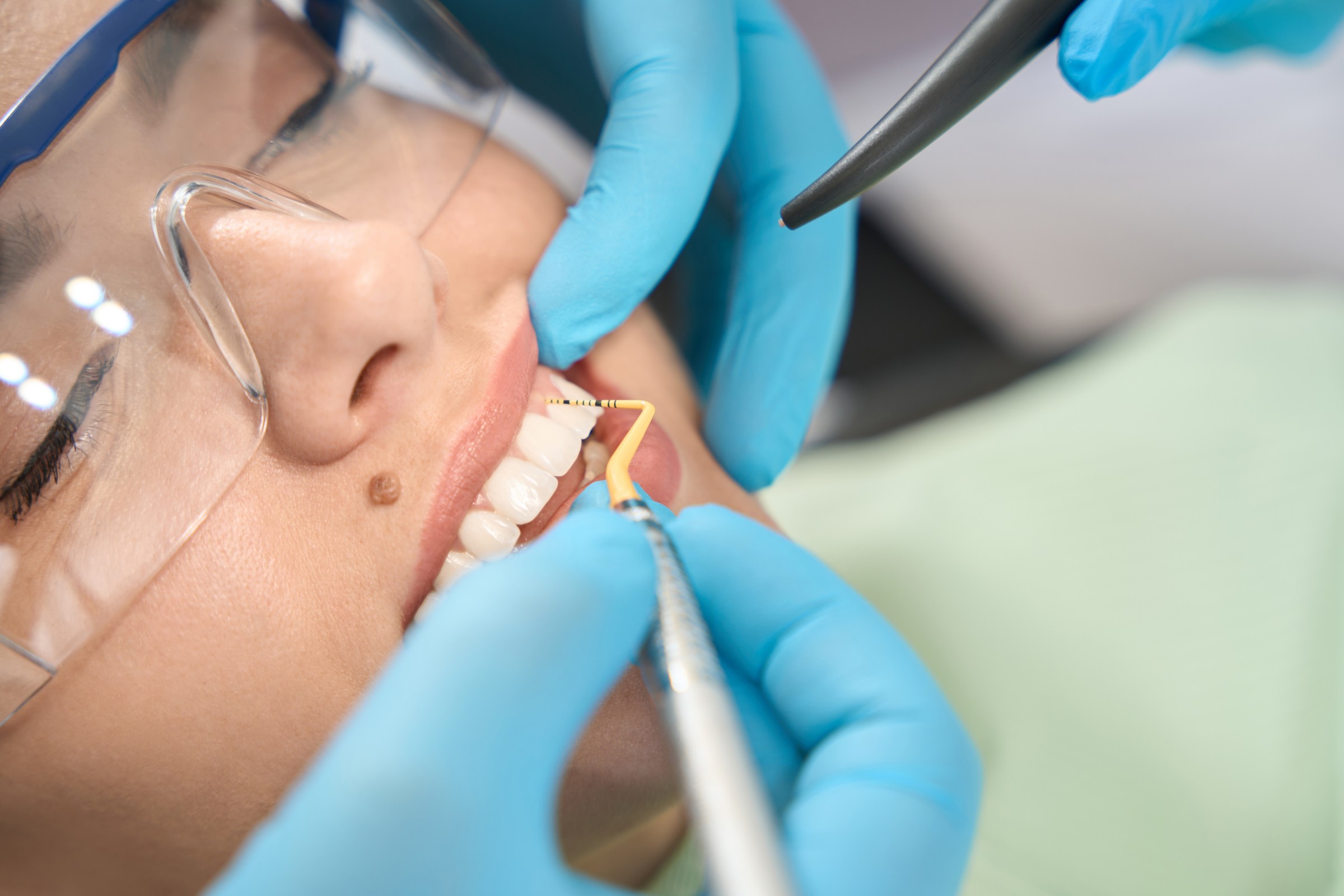
A dental check-up is a routine visit to the dentist (usually every 6 months) to make sure your teeth, gums, and mouth are healthy.
What happens during a check-up?
- Examination – Dentist checks your teeth, gums, tongue, and mouth for cavities, plaque, tartar, or signs of gum disease.
- X-rays (sometimes) – To detect problems not visible to the eye (e.g., cavities between teeth, bone loss).
- Professional Cleaning – Hygienist or dentist removes plaque and tartar, then polishes teeth.
- Advice – Tips on brushing, flossing, and diet for better oral health.
Why it’s important:
- Detects problems early (before they become painful or expensive to fix).
- Keeps your smile clean and fresh.
- Helps prevent gum disease, tooth decay, and even bad breath.
General Dentistry
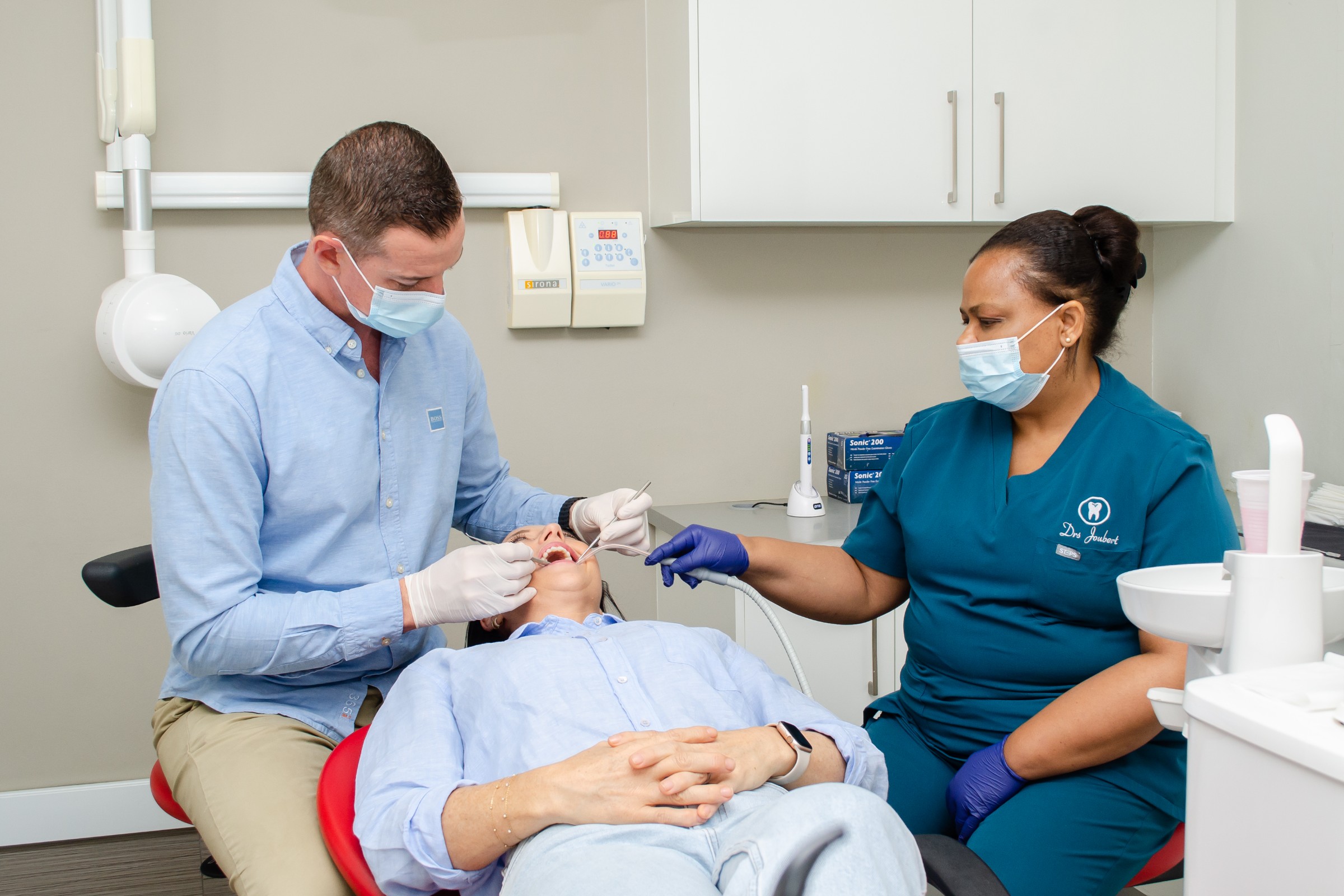
General dentistry covers overall oral health care and focuses on both prevention and treatment.
Services usually include:
- Check-ups & cleanings (prevention)
- Fillings (repair cavities)
- Root canal treatment (saving infected teeth)
- Extractions (removing damaged or impacted teeth)
- Crowns & bridges (restoring function and appearance)
- Preventive care (sealants, fluoride treatment)
- Oral health education (teaching correct brushing & flossing)
Oral Hygiene
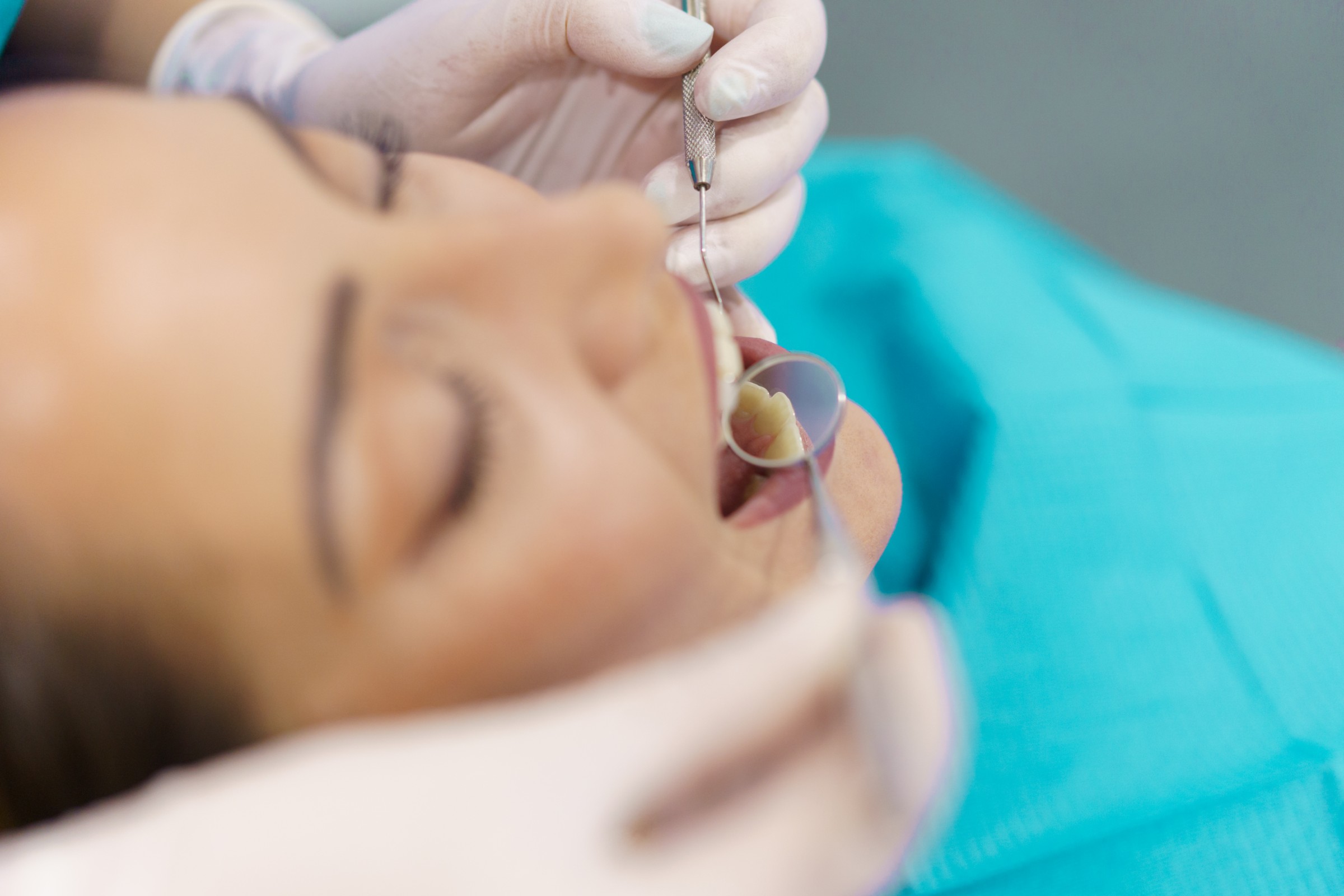
Regular cleanings are essential for maintaining good oral health and preventing more serious dental issues.
It involves scaling to remove deposits and polishing to smooth the tooth surfaces.
Plaque and Tartar Removal: Dental cleanings focus on eliminating plaque, a sticky film of bacteria that constantly forms on teeth, and tartar, which is hardened plaque that brushing can’t remove.
Scaling: This process uses specialized tools, like manual scalers or ultrasonic instruments, to scrape away plaque and tartar from the tooth surfaces, including below the gum line.
Polishing: After scaling, the teeth are polished to remove stains and smooth the surfaces, making it harder for plaque to adhere.
Preventive Care: Dental cleanings are a crucial part of preventative dentistry, helping to avoid cavities, gum disease, and other oral health problems.
Professional vs. Home Care: While brushing and flossing at home are essential, they are not sufficient to remove all plaque and tartar buildup. Professional dental cleanings are necessary for a thorough clean and to address areas that are difficult to reach with regular oral hygiene.
Teeth Whitening
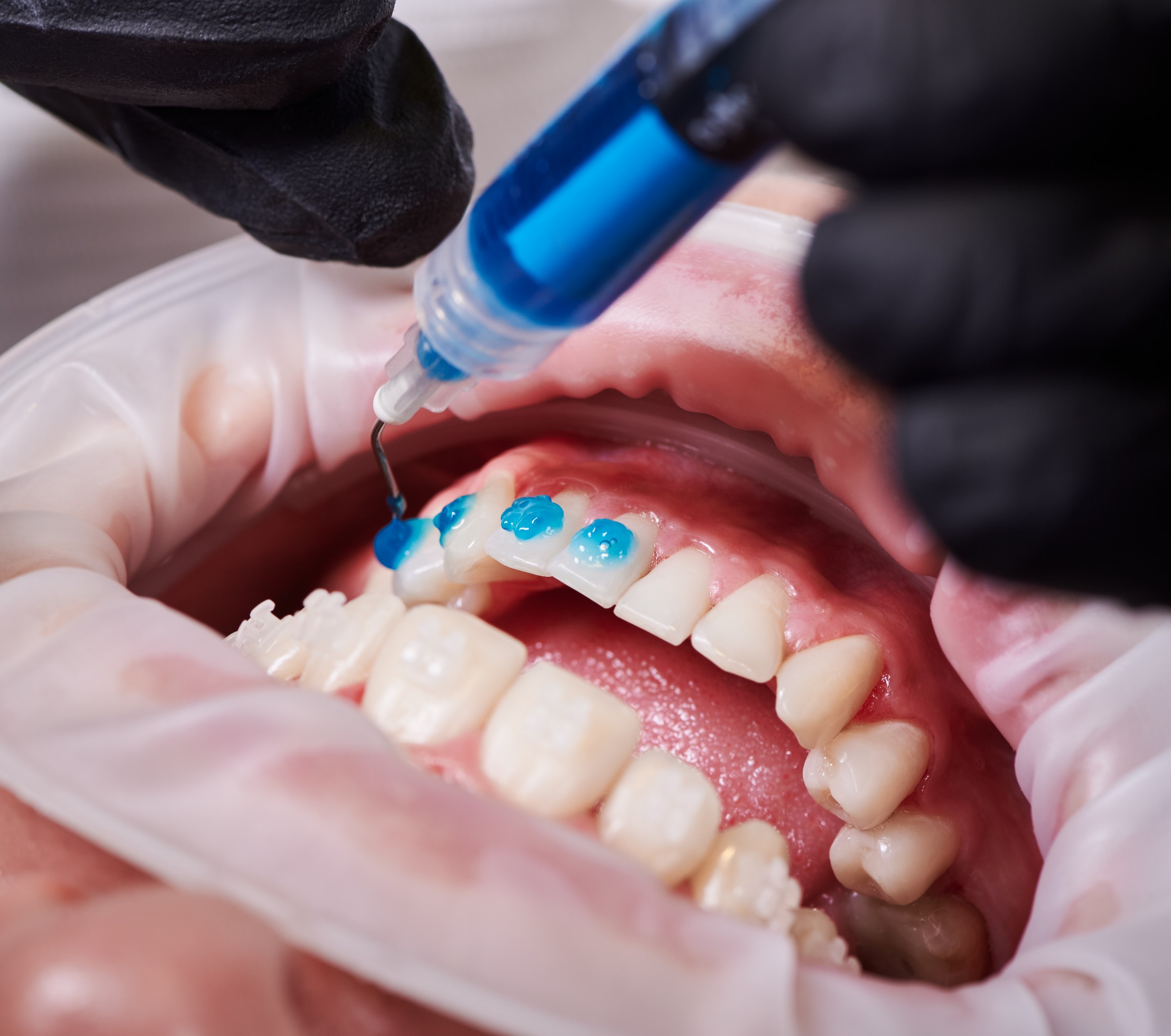
Teeth whitening is the most common cosmetic dental treatment available to anyone looking for a quick and relatively cost-effective way to improve their smile.
Take-Home Teeth Whitening Kits:
- We offer customized take-home whitening kits.
- These kits include professional-grade whitening gel and custom-fitted trays made specifically for your teeth, ensuring even and effective whitening.
- You can use these kits at your convenience, allowing you to achieve your desired results in the comfort of your own home.
Pediatric Dentistry
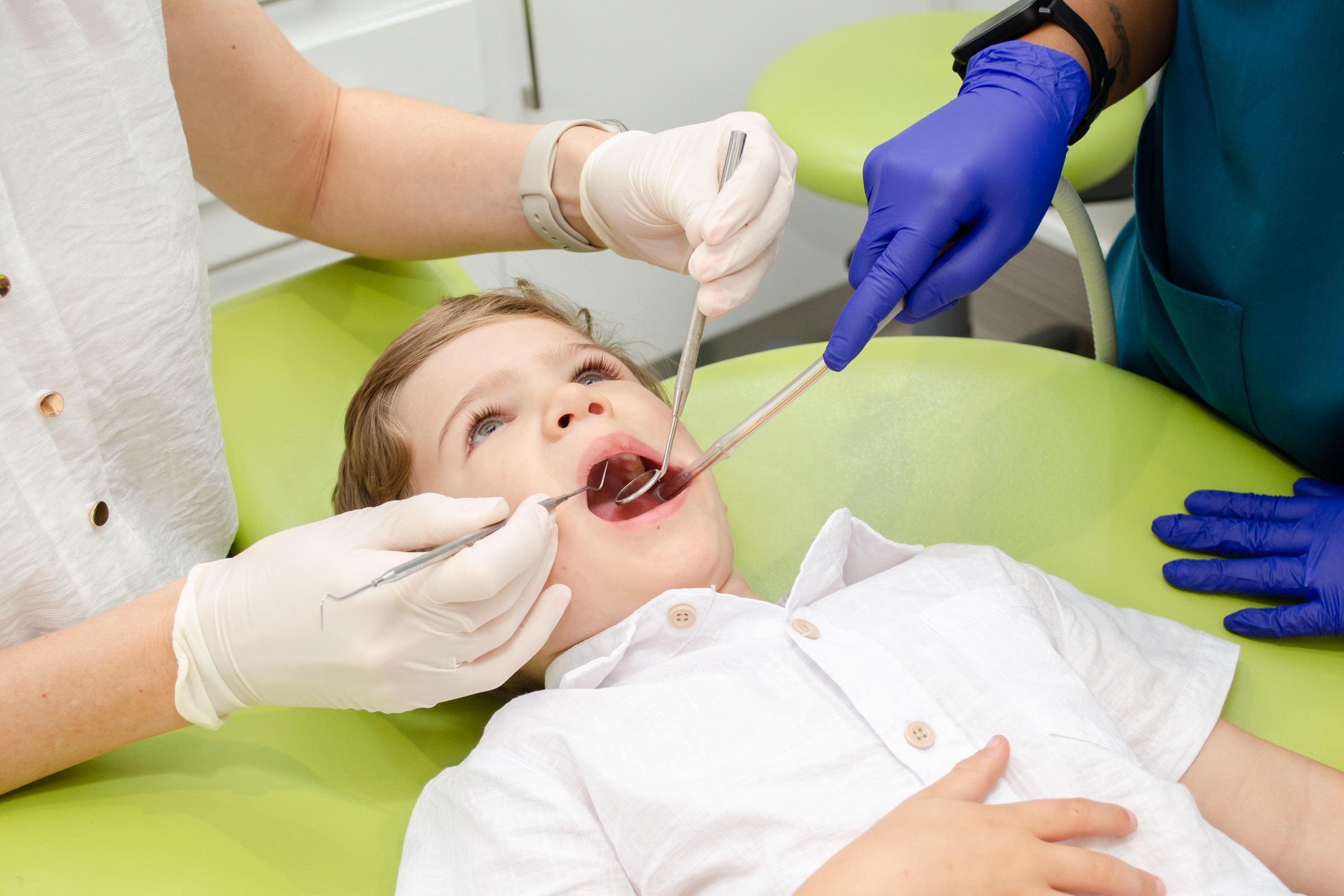
We are proud to be known as the go-to destination for pediatric dental care, offering a wide range of services to cater to the unique needs of young patients. We understand the importance of early dental care and strive to create a positive and comfortable environment for children to maintain their oral health.
In addition to our exceptional dental team, we are proud to offer in-chair sedations. We understand that some children may experience anxiety or have difficulty sitting still during dental procedures. In-chair sedation provides a safe and controlled environment for children to receive the dental treatment they need while being relaxed and comfortable.
Composite Fillings
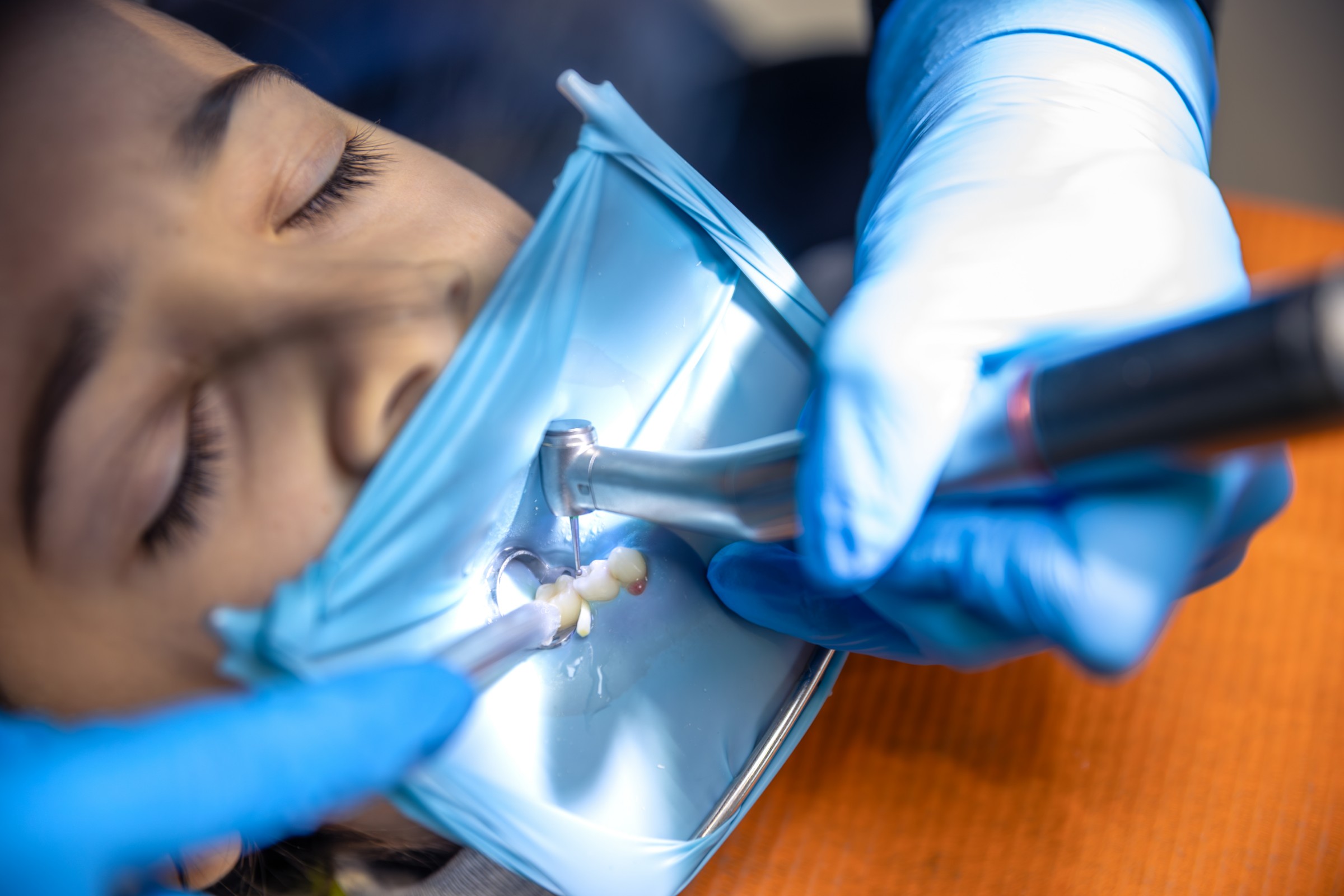
Composite dental fillings are tooth-colored restorations used to repair decayed, chipped, broken, or worn teeth. Composite fillings blend in with the natural color of your teeth—making them a more aesthetic option compared to traditional silver (amalgam) fillings.
Key Features of Composite Fillings:
- Tooth-colored: Matches the shade of your natural teeth.
- Bonded to tooth: Adheres directly to the tooth surface, providing support.
- Versatile: Can be used for front or back teeth.
- Minimally invasive: Less removal of healthy tooth structure compared to amalgam.
Orthodontics
Orthodontic treatment focuses on correcting teeth and jaw alignment to improve a person’s smile and overall dental health.
With a Post- Graduate diploma in orthodontics and more than 15 years of experience in this field Dr Jo-Anne can assist you with all your orthodontic needs.
We offer a wide range of treatment options tailored to your needs.
Treatment options include:
Early Intervention:
Interceptive orthodontics focuses on identifying and addressing potential orthodontic problems at a young age, typically between 7 and 10 years old.
Benefit of this treatment include the prevention of future problems and potentially preventing the need of more complex orthodontic treatment later.
It can involve appliances that help guide the growth of the jaws, creating a more favourable environment for the eruption of permanent teeth.
Early interceptive treatment can also address harmful oral habits like thumb sucking or tongue thrusting that can negatively impact tooth and jaw alignment
Traditional Braces:
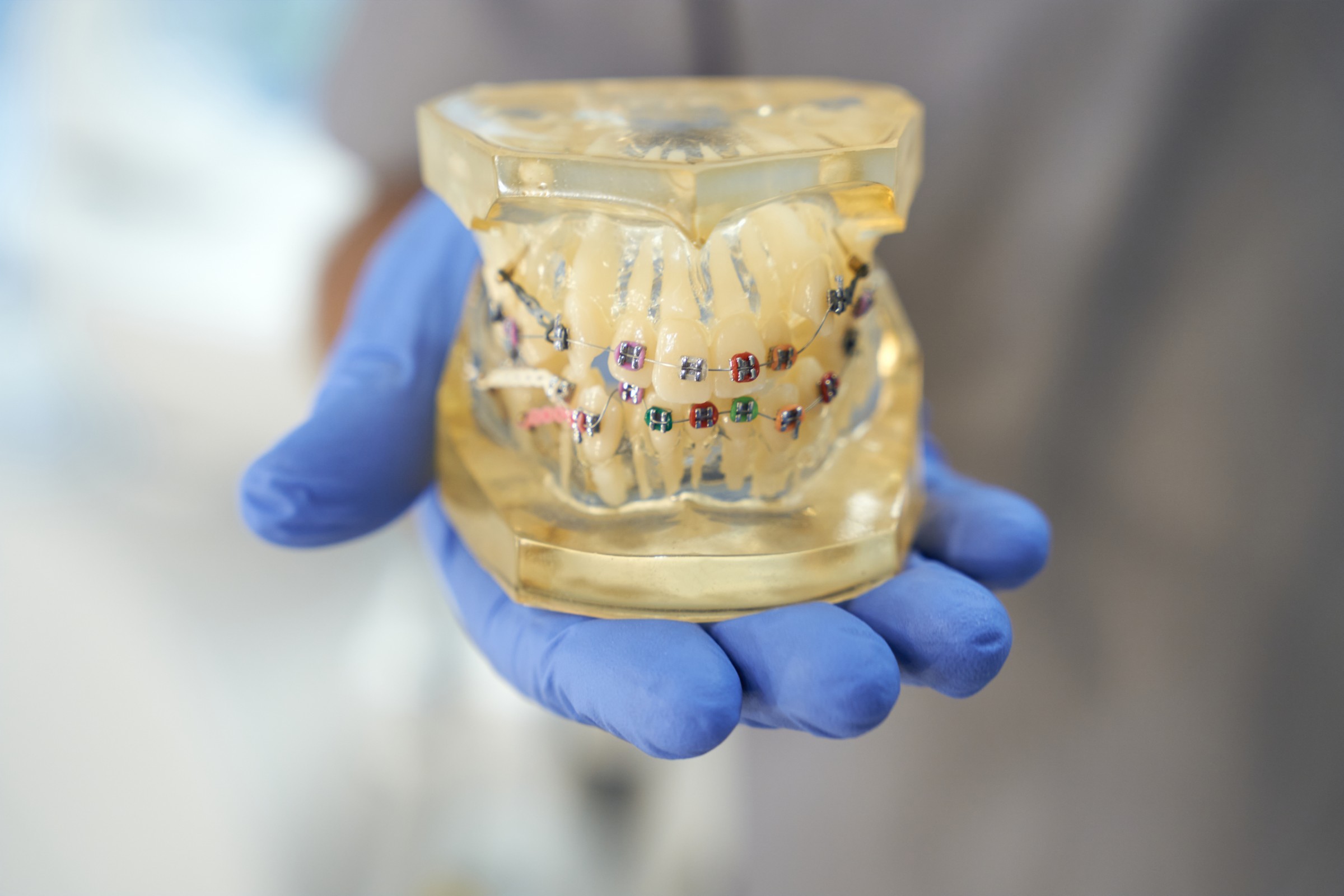
Involve metal or ceramic brackets and wires that apply gentle pressure to gradually shift teeth into the correct position.
Effective for correcting complex orthodontic issues.
Clear Aligners:
- Custom-made, removable plastic trays that gradually move teeth.
- Offer a more discreet treatment option compared to braces.
Retainers:
- Used after braces or aligners to prevent teeth from shifting back to their original positions.
- Can be removable or fixed.
- Removable retainers are similar to aligners and can be taken out for eating and cleaning.
- Fixed retainers are thin wires bonded to the back of the teeth.
Dental Crowns
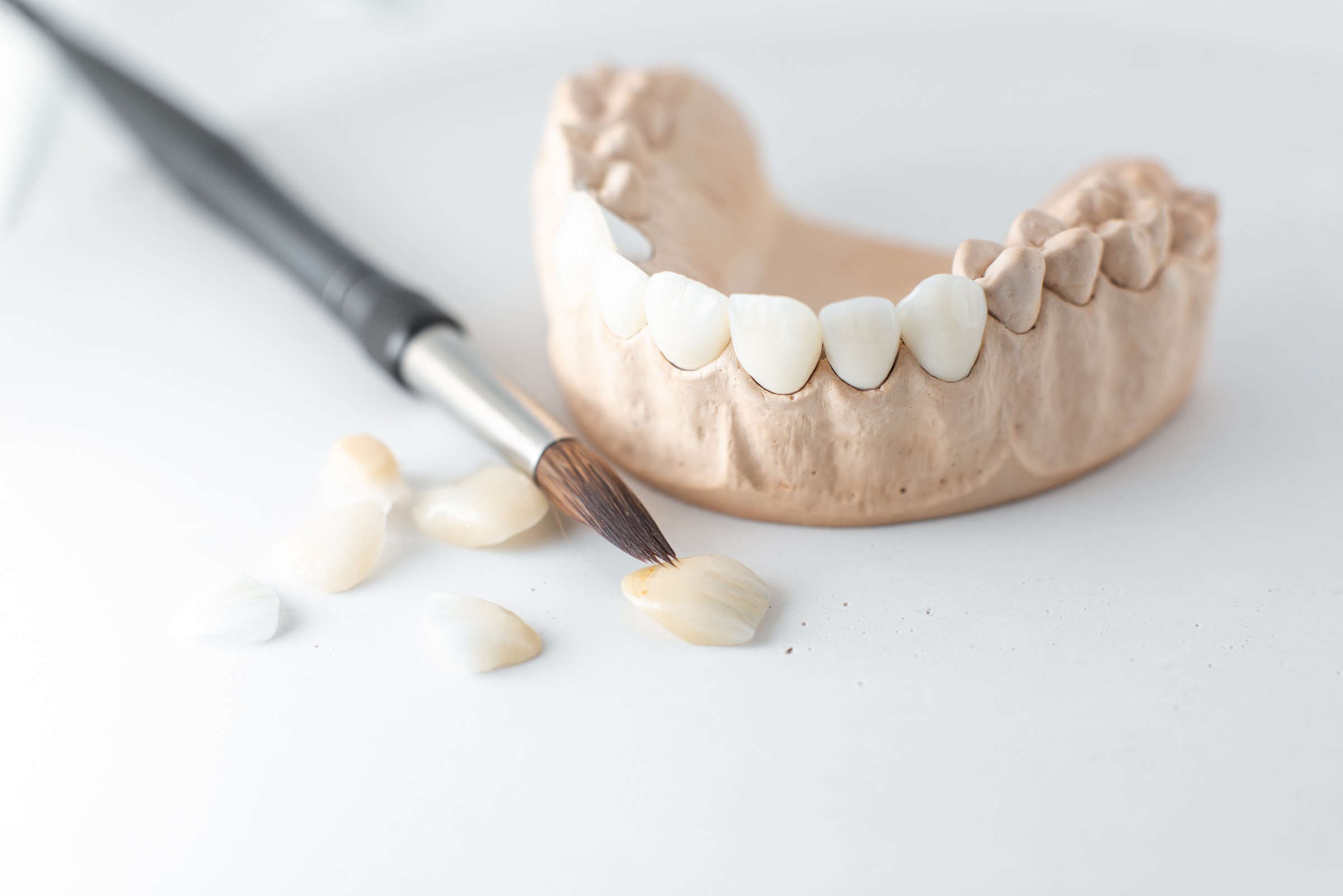
A crown is like a “cap” that covers a damaged or weak tooth. It restores the tooth’s shape, strength, and appearance.
When do you need a crown?
- A tooth that is broken or cracked
- A tooth with a very large filling
- After a root canal treatment
- To cover a dental implant
- To improve the appearance of a tooth (color/shape)
Materials used:
- Porcelain or ceramic – looks natural, matches tooth color
- Metal alloys – very strong, but visible
- Porcelain fused to metal – a mix of strength and natural look
Dental Bridges
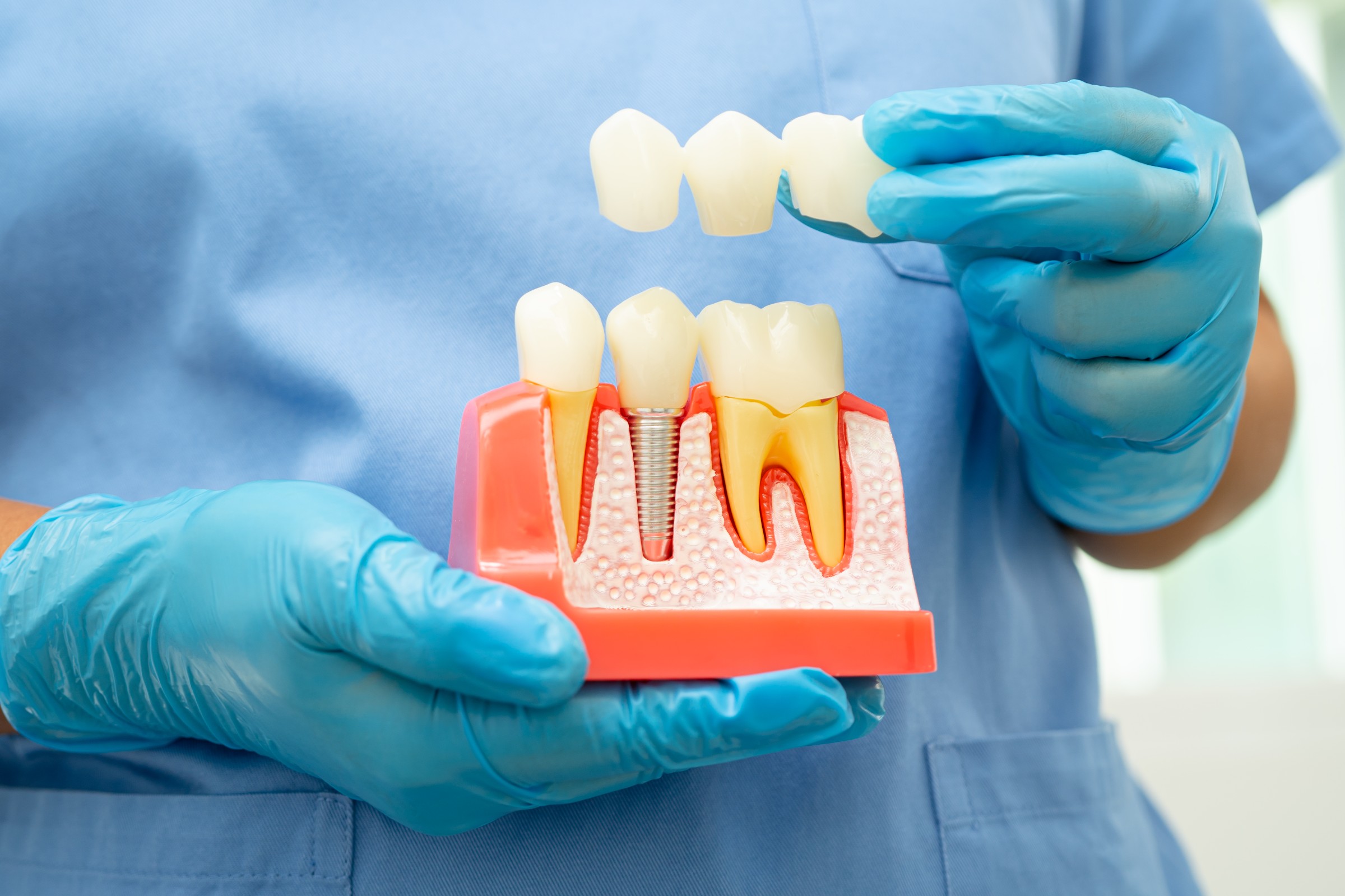
A bridge is used when you are missing one or more teeth. It literally “bridges the gap” between healthy teeth.
How it works:
- A bridge has crowns on the teeth next to the gap (called abutment teeth).
- In between, there are artificial teeth (pontics) that fill the empty space.
Benefits of a bridge:
- Restores your smile
- Helps you chew and speak properly
- Prevents nearby teeth from shifting out of place
- Maintains the shape of your face
Dentures
What Are Dentures?
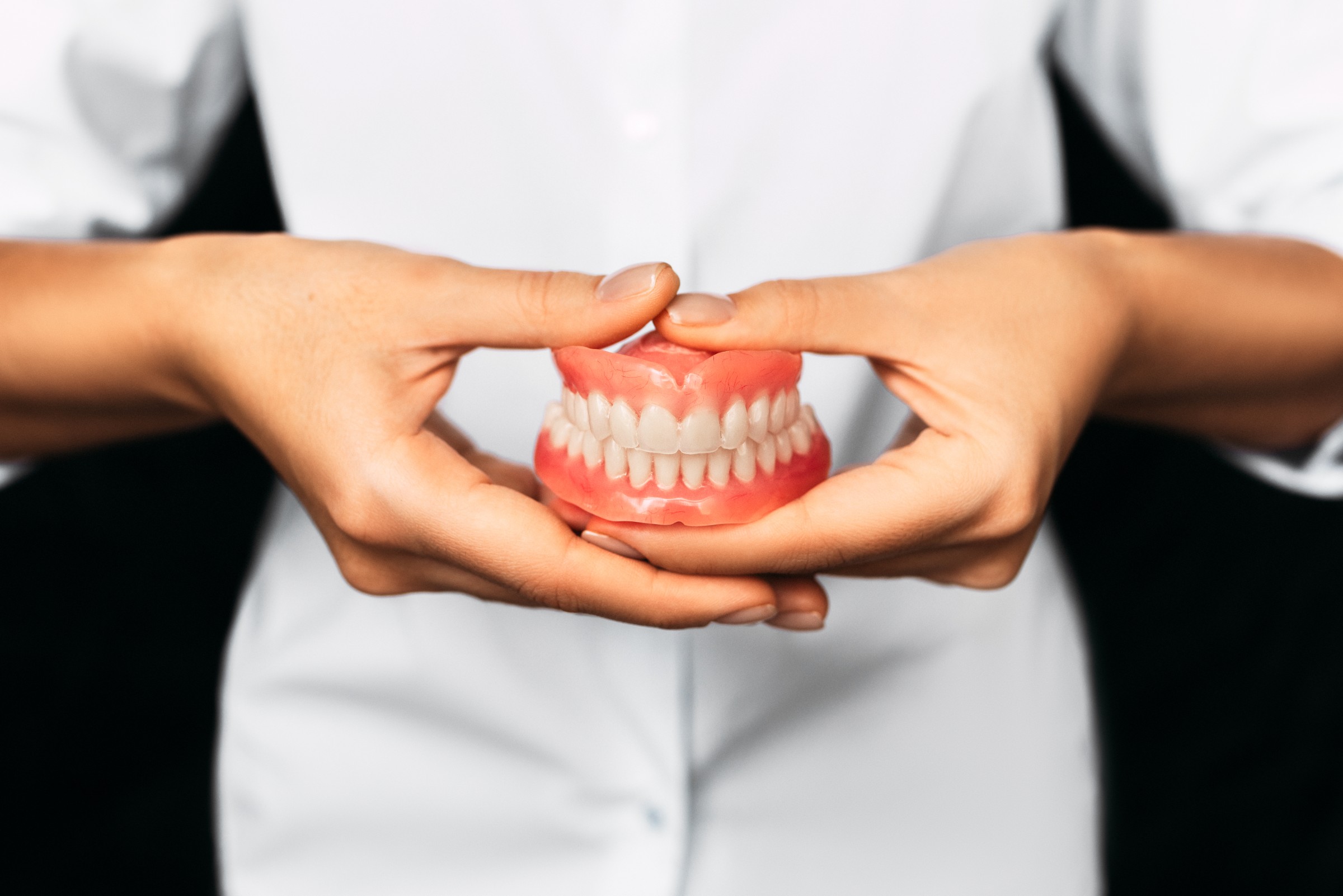
Dentures are removable replacements for missing teeth and surrounding tissues. They help you chew, speak, and smile with confidence.
Types of Dentures:
Complete Dentures:
- Replace all the teeth in the upper or lower jaw.
- Rest on the gums.
- Usually made after all natural teeth are removed.
Partial Dentures:
- Replace some missing teeth.
- Attached to the natural teeth with clasps or precision attachments.
- Prevents remaining teeth from shifting.
Immediate Dentures:
- Placed right after tooth removal so you don’t have to go without teeth during healing.
- May need adjustments as gums and bones heal.
Implant-Supported Dentures:
- Snap onto dental implants placed in the jawbone.
- More stable and comfortable than traditional dentures.
Benefits of Dentures:
- Restore chewing ability
- Improve speech
- Maintain facial structure (prevent “sunken” look)
- Boost self-confidence
Root Canal Therapy
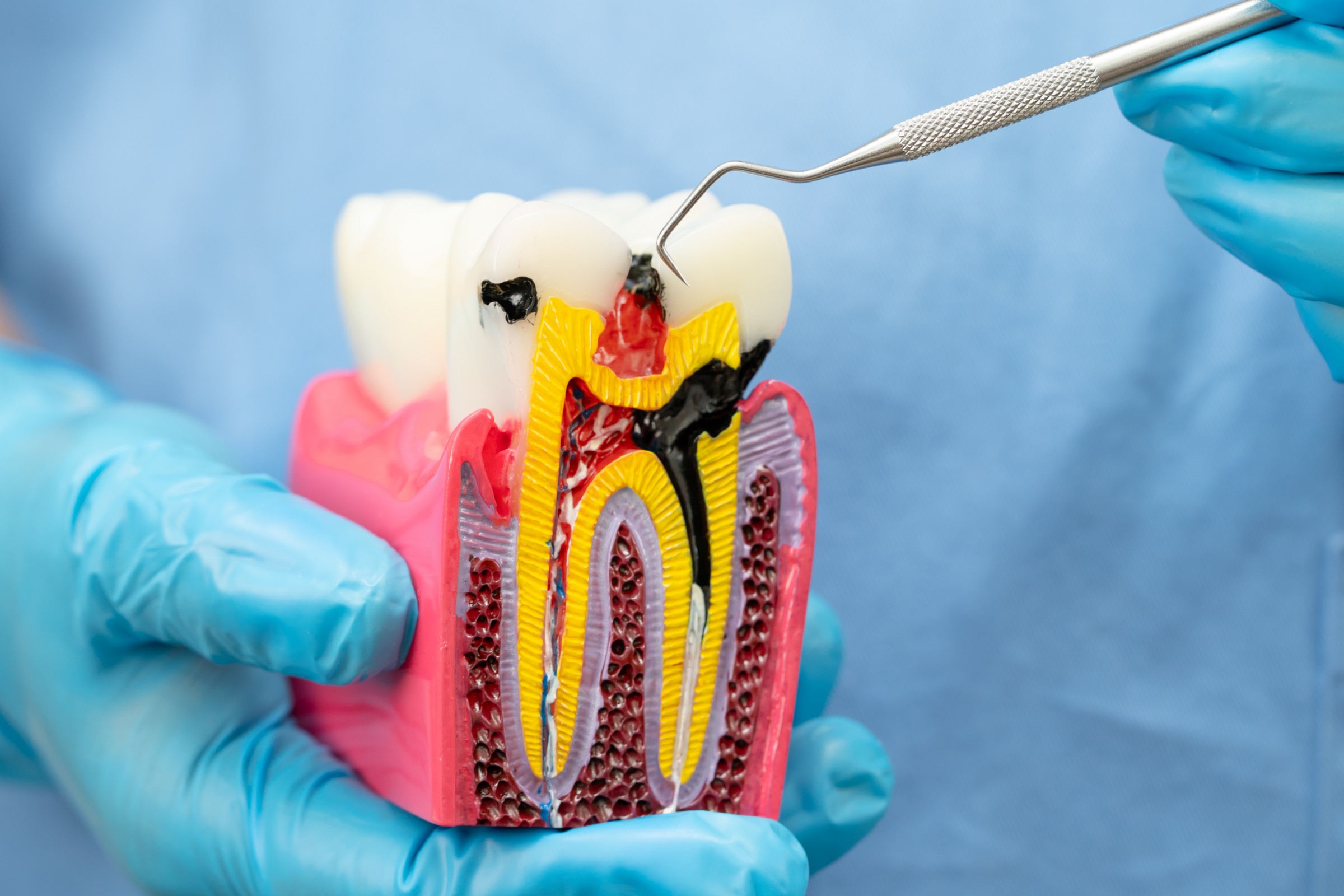
Root canal therapy, also called endodontic treatment, is a dental procedure used to treat infection or damage in the pulp (the soft tissue inside the tooth that contains nerves and blood vessels).
When is it needed?
Root canal therapy is usually necessary when the pulp becomes:
- Infected (often due to deep decay or a cracked tooth)
- Inflamed (from trauma or repeated dental procedures)
- Dead (no longer viable, causing pain or risk of abscess)
Is it painful?
With modern techniques and anesthesia, root canal treatment is generally no more painful than getting a filling. Some mild soreness or sensitivity afterward is normal.
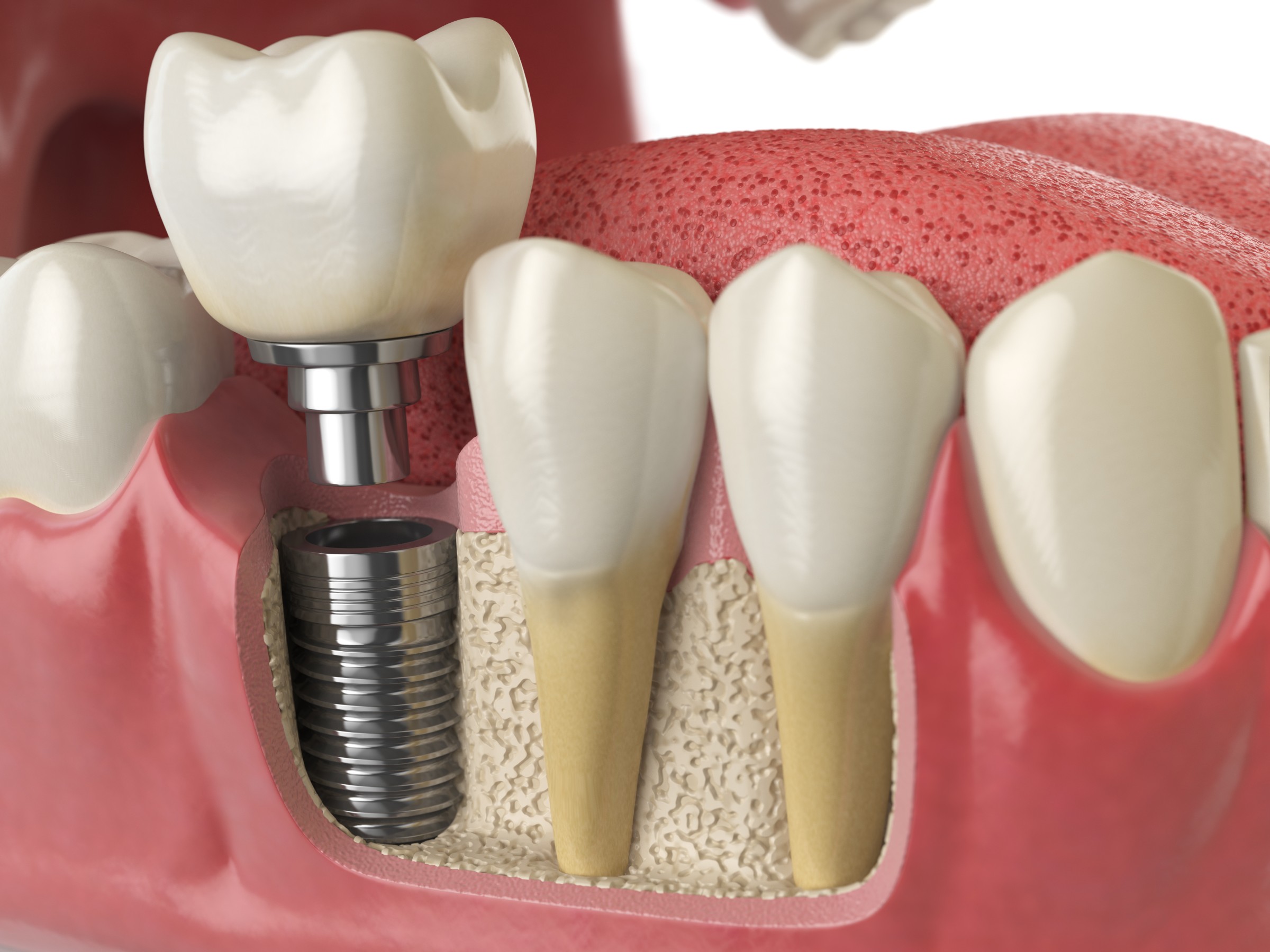
Restorative Implant Dentistry
Damaged or missing teeth can significantly affect your confidence and your mouth’s functions, such as how you chew and speak. Not to mention, the overall health of your mouth can suffer due to missing and damaged teeth. Restorative implant dentistry helps revive your smile by replacing missing or severely damaged teeth caused by tooth decay, gum disease, or injury with implants that look, feel, and function like your natural teeth.
Restorative dental tooth implants offer many benefits for people of all ages.
Unlike traditional bridges, dental implants do not rely on other teeth for support and don’t require altering your natural teeth. For this reason, dental implants have become the golden standard of teeth replacement in recent years. Dental implants are made from titanium, one of the strongest metals available, which provides a strong foundation for the artificial teeth that will lay on top of the implants.
To install a dental implant, a metal anchor is placed in the jawbone, which acts as the tooth’s root. Over a few months, the bone grows around the anchor, holding it in place permanently.
Note that candidates for dental implants should have relatively healthy gums to start, as the gums and bone must support the implant. Once enough bone has grown around the implant, an artificial tooth, such as a crown, will be cemented on top. The artificial tooth will look and function just like a natural tooth.